On this page
A 3-year-old 54-pound English Bulldog flops onto a kitchen rug after dinner, chin damp and nose rope whistling a little with each breath. His owner lifts the heavy fold above his nose and catches that sweet-sour smell that was not there yesterday, plus a thin line of brownish moisture along the pink skin. She has baby wipes in the drawer and a jar of coconut oil a forum recommended, and she is weighing whether a quick swipe is enough or whether this needs a real routine. In practice, that moment — look, lift, sniff, then decide what touches the skin — is the whole job in miniature.
The fold-care checklist to run through first
- Look before you wipe: lift each fold in good light and note redness, moisture, odor, or rubbing.
- Use plain and gentle: lukewarm water or a fragrance-free, dog-safe wipe, then pat fully dry.
- Dry matters more than soap: moisture left behind supports irritation and odor.
- Keep it brief and calm: short sessions with treats support cooperation and let you see the skin.
- Track what is normal for your dog: color, smell, and comfort from day to day.
- Call your vet for spreading redness, yellow-green discharge, sores, swelling, pain, or itching that persists beyond a day or two.
That list supports the routine below. Individual dogs vary, and brachycephalic breeds with deep nose ropes, ropey lips, and heavy brow folds tend to need more frequent checks.
Vets often see fold irritation described as intertrigo, where warm skin surfaces rub and trap moisture. VCA Hospitals explains that skin-fold dermatitis commonly affects facial folds, tail folds, and vulvar folds, and that cleaning plus thorough drying may help maintain comfort while persistent signs need veterinary care. The Merck Veterinary Manual notes that surface bacterial overgrowth favors moist, folded skin, which is why prevention leans so heavily on keeping folds clean and dry rather than scrubbing harder.
Lifting and looking without making it a wrestling match
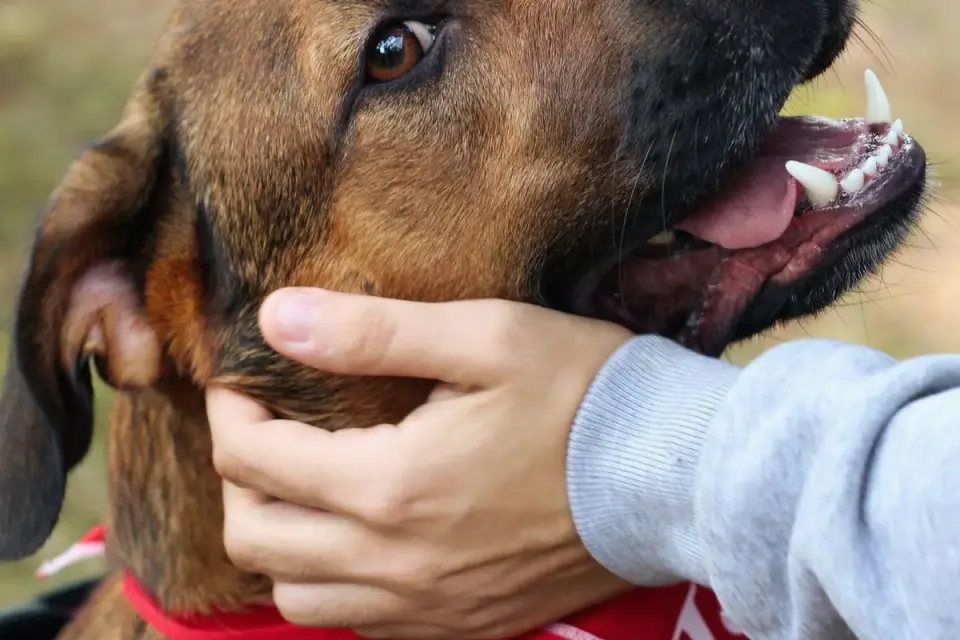
Pick a calm time, not right after a big walk or meal when faces are wettest. With clean hands, gently lift or part each fold and look at the skin inside, not just the hair at the edges. Healthy fold skin is usually pale pink, dry to lightly moist, and free of cracks or thick discharge. Note any rubbing at the carpet, pawing, or flinching when you touch a spot.
For a Pug, check the big nose fold and the corners of the eyes where tears collect. For a Bulldog, add the rope over the nose, the jowls, and the tail pocket if present. For a Shar-Pei, check the muzzle, brow, and neck folds where shampoo and water can linger after a bath. A routine like the one in How Often Should You Bathe Your Dog? A Vet’s Guide by Coat and Skin Type helps set how often a full bath fits in, while fold checks happen far more often.
A second owner learned the tradeoff the hard way with a 5-year-old Pug who had started leaving damp spots on bedding for 6 nights in a row. Trying to fix it fast, she used a scented baby wipe three times a day, then sealed the fold with a thick balm without drying first. By day 4 the fold looked redder and the dog pawed at his face after every cleaning, and the trapped fragrance and moisture had made a mild odor problem louder. She paused the scented products, switched to plain water on soft gauze with a careful pat-dry, and booked a vet check to reset the plan.
Wiping, rinsing, and the dry finish that does the real work
Keep supplies simple: soft gauze or cotton pads, lukewarm water, a mild fragrance-free dog wipe if needed, and a dry soft cloth. Avoid alcohol, hydrogen peroxide, heavily scented wipes, and essential oils inside folds. If you use a dog shampoo near folds, choose a gentle formula and rinse well, since residue can irritate.
Work fold by fold. Dampen the gauze, wipe outward from the deepest crease, and use a fresh surface as it soils. Do not dig with cotton swabs. Then dry. Press a dry cloth or gauze into the fold, hold for a few seconds, and repeat until no dampness transfers. That dry finish is what may help maintain a healthier skin barrier day to day.
Dry thoroughly every time.
If the coat around the folds stays damp from drool or bath water, the same principle applies as choosing a Best Dog Shampoo for Sensitive Skin: What Actually Matters on the Label — mild, fragrance-light, and fully rinsed — then dried. Owners splitting coat trimming and face handling between home and clinic can borrow the division of labor in At-Home Grooming vs a Professional Groomer: How to Split the Job.
When the usual daily wipe has to bend
Most dogs do well with a quick check once daily and a clean-and-dry pass when folds look moist or smell musty. Dogs with very deep folds, heavy drool, allergies, or tear staining may need twice-daily attention during warm or humid stretches. Evidence for any single wipe ingredient preventing infection is thin, so consistency and drying matter more than a special formula.
The exception is the dog whose anatomy or health changes the math. A 9-month-old 38-pound Shar-Pei mix adopted from two states away — a 900-mile drive home — arrived with thick neck folds, itchy ears, and a yeast-like odor that returned within hours of wiping. His new owner kept the gentle daily routine but stopped trying to power through with more frequent scrubbing, kept the folds dry between meals and walks, and asked the vet about allergies, weight-related folding, and whether a medicated plan was needed for a short period. The home routine stayed supportive, not curative.
Call your vet promptly for bleeding, open sores, rapid swelling, green-yellow pus, a sharply worsening smell, eye squinting or discharge with a nose-fold problem, or a dog that cries when the fold is touched. Bring notes on when it started, what you used, and how often — that history helps the clinic tailor care.
What would change if you treated drying, not wiping, as the main event for one week?
Frequently asked questions
How often should I clean my wrinkly dog's face folds?
Check daily and clean when you see moisture, debris, or odor, then dry fully. Dogs with deep folds, drool, or allergies may need twice-daily passes in humid weather. If redness or odor persists beyond a day or two, ask your vet.
What can I use to clean skin folds at home?
Plain lukewarm water on soft gauze plus a thorough pat-dry handles most days. A fragrance-free dog-safe wipe can help with grime. Avoid alcohol, peroxide, scented baby wipes, and essential oils inside folds.
When do skin folds need a vet visit instead of home care?
Spreading redness, sores, swelling, yellow-green discharge, bleeding, pain, persistent itching, or a rapidly worsening smell warrant a vet visit. Bring a list of products used and how often you cleaned.
Sources
- Pyoderma in Dogs — Merck Veterinary Manual