Choose a dachshund breed mix only if you can manage back risk, training, and barking with ramps, routine, and patience.
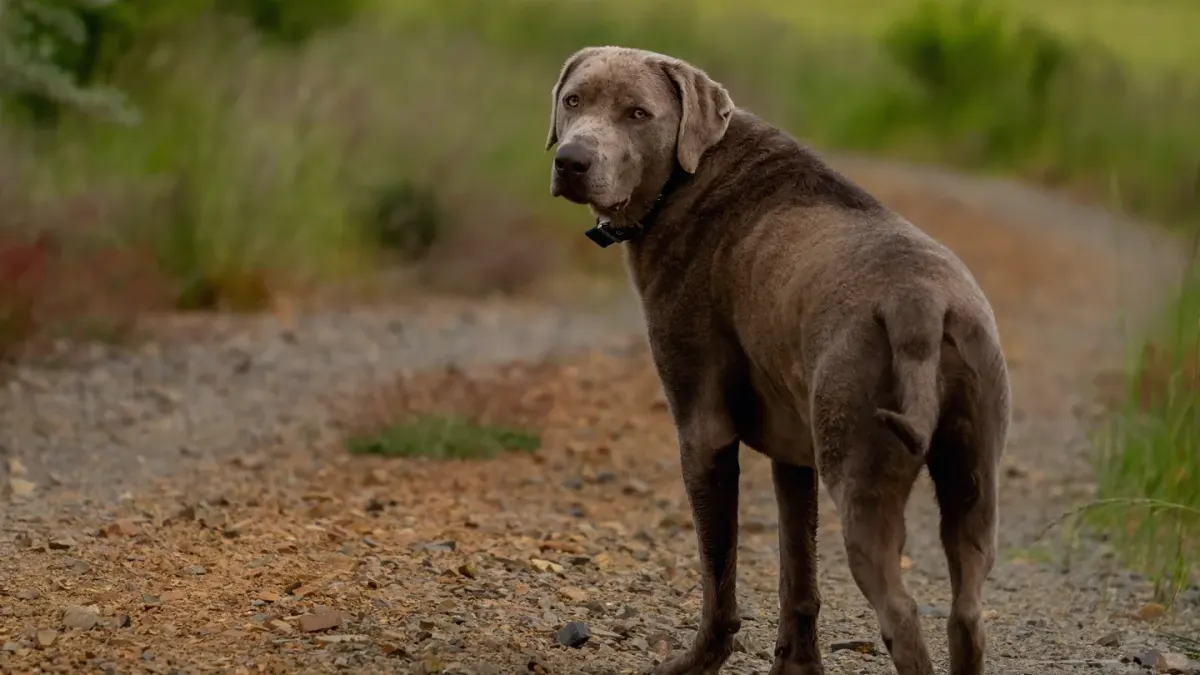
A dachshund breed mix will still tend to act, bark, and dig like a Dachshund, even when the other parent softens the outline.
That surprises many owners. They expect the mix to dilute the hound determination, the volume, and the spinal risk. In practice, the long-backed body plan and the confident, self-directed temperament are strongly inherited. As described by the American Kennel Club, the breed was developed as an independent hunting dog — clever, persistent, and vocal — and those traits carry through in Chiweenies, Doxies, Dachshund-Poodle, Dachshund-Beagle, and other common crosses. Individual dogs vary widely, but plan for Dachshund first, mix second.
What a dachshund mix actually inherits
Size varies more than shape. A Standard versus Miniature parent changes weight and food needs more than most owners predict — a hungry adolescent can get through a large bag of kibble surprisingly quickly — which is why it helps to review Standard vs Miniature Dachshund: The Size Difference That Actually Changes Care before you estimate cost and space.
Shape is more consistent: long thoracolumbar spine relative to leg length, deep chest, and chondrodystrophic cartilage. describes reluctance to jump, crying out when picked up, wobbly hind limbs, and incontinence as reasons for prompt veterinary evaluation. I counsel owners to treat this as structure and risk management, not cardiac therapy or a supplement fix — ramps, controlled weight, and early examination matter more than any structure/function product.
Temperament is the second inheritance. Expect prey interest, scent-following, digging, alert barking, and a negotiating style with training. A Labrador or Golden cross does not reliably produce a softer Dachshund; for that contrast in household fit, see Labrador or Golden Retriever: Which Fits Your Home?.

Common crosses and how they differ
No mix comes with guarantees, but parent patterns help:
- Dachshund-Chihuahua (Chiweenie): smallest, often most apartment-sized, but frequently the most vocal and the least tolerant of rough handling by young children.
- Dachshund-Miniature Poodle: coat may shed less but still needs clipping and ear care; intelligence is high, yet stubbornness remains.
- Dachshund-Beagle or Miniature Pinscher: more stamina and nose-drive; needs more daily sniff walks and containment for fences they can dig under.
- Dachshund-Cocker Spaniel or Shih Tzu: often more sociable with people, with added grooming and ear-cleaning needs.
Coat tells you the maintenance schedule. Smooth coats shed short hairs and need weekly brushing; longhaired mixes tangle behind ears and need combing several times per week; wirehaired mixes need stripping or regular trimming. Ask the shelter or breeder which coat the puppy is actually growing, not what the label predicts.
Daily care that prevents back and behavior problems
Back protection is daily, not occasional. Use ramps for sofas, cars, and high beds, lift with one hand under the chest and one under the pelvis, keep nails short for traction, and keep body condition lean enough to feel ribs easily. Avoid repeated stair sprints, jumping for toys, and long off-leash hikes on uneven ground for short-legged puppies.
Training should be short, food-motivated, and consistent. Teach a quiet cue, a solid recall in a fenced area, crate settling, and alone-time tolerance early. Many dachshund mixes are content lounging at home and eager to join outdoor adventures, but only when exercise is measured — brisk walks plus sniff time, not marathon runs. For help weighing predictability, health testing, and lifestyle fit, read Purebred vs Mixed-Breed Dogs: What to Consider.
Talk with your own veterinarian about baseline screening for the other parent breed as well as weight, dental care, and intervertebral disc signs to watch for. I hedge on predicting adult temperament from a single puppy visit; I trust a pattern over weeks — sleep, appetite, mobility, and response to handling — more than one confident first impression.

Who this mix fits best
Choose a dachshund mix if you want a small-to-medium, characterful companion, can accept barking and digging, will train with patience, and will commit to ramps and weight control for life. Reconsider if you need a reliably quiet apartment dog, a hands-off dog for toddlers, or a jogging partner for long distances.
If that trade-off fits, the reward is a loyal, funny, observant dog — just not, as a rule, an easier Dachshund.
Frequently asked questions
Are dachshund mixes healthier than purebred Dachshunds?
Not reliably. Mixing can broaden genetics, but the long spine and related disc risk often persist, so focus on weight, activity, breeder screening, and veterinary care rather than assuming hybrid vigor.
Do dachshund mixes bark a lot?
Many do. Alert barking was part of the breed's hunting role, and it commonly carries into mixes. Plan on training a quiet cue, adequate mental enrichment, and management for apartment walls.
Are dachshund mixes good apartment dogs?
They can be if barking is managed and stairs are limited. Ramps, elevator use when available, short frequent walks, and alone-time training matter more than square footage.
Sources
- Dachshund Dog Breed Information — American Kennel Club