On this page
Sunday morning at the dog park tells you a lot. A yellow Lab launches into the pond after every thrown bumper, shakes off by your legs, and is ready for the next round. A few feet away, a Golden circles back to check on the kids, feathered tail sweeping the grass, just as happy to retrieve as to lean in for contact. Both look like the easy family dog, and both are — once you match their maintenance to your week.
Use this quick checklist first, then read how each point plays out day to day:
- Coat and cleanup: Both shed year-round, but Goldens need more brushing and trimming for feathering and mats.
- Energy and space: Both need daily active exercise and retrieving play; Labs often stay busier and mouthier longer.
- Training style: Both are food-motivated and eager, but Labs need a clear outlet for carrying and chewing.
- Health baseline: Both large, athletic breeds benefit from weight control, joint-aware growth, and routine ear and skin checks with your vet.
- Home rhythm: Goldens often settle a little sooner indoors; Labs often need more structured play before they settle.
Individual dogs vary widely in temperament, so treat these as starting expectations to discuss with breeders, shelters, and your own vet.
Two sporting dogs, two different household rhythms
The American Kennel Club describes the Labrador Retriever as an athletic, outgoing sporting breed built for active work, and that work ethic shows up in the living room. Most Labs I counsel families about want a job every day — fetch, swim, scent games, or a long brisk walk plus training reps. Without it, that energy turns into counter-surfing, jumping, and chewing.
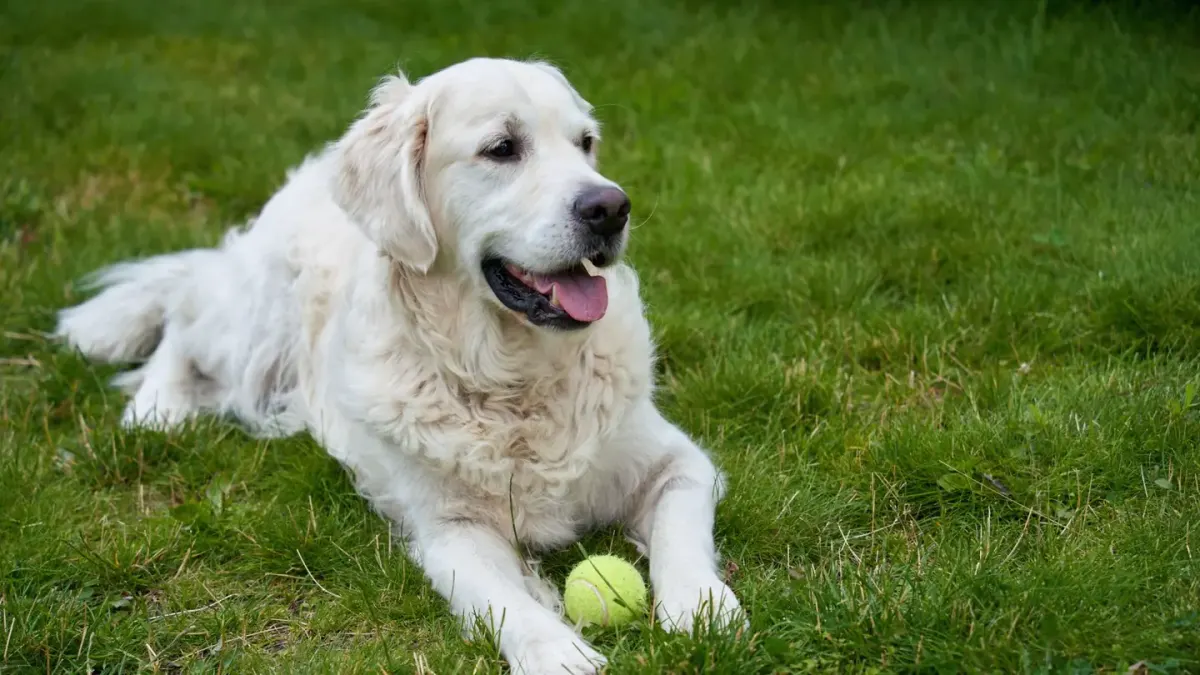
Goldens share that sporting foundation but often read a little softer in the house. VCA Hospitals notes the Golden Retriever’s friendly, people-oriented temperament, and in daily life that often means more check-ins, more shadowing from room to room, and a dog that may help support calm handling routines because touch is rewarding for them.
Neither breed is a low-energy couch dog in the first two to three years.
Coat care is where your vacuum decides
Both breeds shed. Labs have a short, dense double coat that drops hair constantly and blows more seasonally. Weekly brushing plus a good deshedding routine keeps it manageable, and baths stay simple because there is little feathering to mat.
Goldens carry a longer double coat with feathering on legs, chest, and tail. Plan on brushing several times per week to prevent tangles behind the ears, in armpits, and on the hind legs, plus periodic neatening trims. Households that dislike brushing or frequent vacuuming often do better with the wash-and-go Lab coat, while households that enjoy grooming time may prefer the Golden routine. For context on how much care routines differ by coat type, see this guide to how care needs vary by breed.

Training and mouthiness: what to expect first
Both breeds were selected to carry birds gently, which means they explore the world with their mouths. Puppy nipping, grabbing leashes, and stealing socks are normal developmental behavior, not defiance.
Build your baseline early with short, frequent sessions, food rewards, and a trade game for dropped objects. Labs often need extra emphasis on loose-leash walking and a permitted carry toy on walks, because carrying may help support calmer behavior. Goldens often respond quickly to social rewards and cooperative handling, which makes low-stress brushing, ear checks, and nail care easier to build.
Keep expectations preventive: housetraining, chewing, and jumping improve with consistency over months, not days. If you are weighing a puppy versus an adult, this comparison of purebred vs mixed-breed considerations can help frame questions about background and behavior history.
The shared health picture to plan for with your vet
Because both are large, active retrievers, the preventive priorities overlap. Steady growth in puppies, lean body condition in adults, and lifelong muscle support through daily activity may help support joint structure and mobility. Your vet will set the right growth curve, exercise progression, and screening schedule for your individual dog.
Ears and skin deserve routine attention in both breeds, especially for swimmers. Moisture trapped in floppy ears can set the stage for outer-ear irritation, and the Merck Veterinary Manual outlines why prompt drying and routine ear checks matter for dogs prone to otitis externa. After swims, dry ears gently, brush out damp feathering on Goldens, and ask your vet what ear and skin monitoring schedule fits your dog.
This is structure-and-function guidance only, not a diagnosis. Reserve breed-specific health decisions for your own vet, who can weigh family history, body condition, and lifestyle.
Which home fits which dog
Choose the Labrador if your home runs on outdoor time. You have daily access to fetch space or swimming, you can give a young dog 60 minutes or more of active exercise plus training, and you want minimal coat trimming. Apartment life can work with enough outings, but a fenced area or nearby field makes the Lab rhythm much easier.
Choose the Golden if you want that same friendly athleticism with a little more Velcro-dog contact and you can commit to brushing. Goldens often suit families that want a dog involved in every room, that can manage feathering and seasonal mats, and that will keep up grooming between professional visits. They still need real exercise, just often with a slightly earlier indoor off-switch.
Still deciding between similar friendly breeds? This side-by-side on Yorkshire Terrier vs Maltese shows how coat and household rhythm can outweigh size alone.
Pick the dog whose daily care you will enjoy on a tired Tuesday, not just on a sunny Saturday. If you love training and water and want simple coat care, lean Labrador. If you love brushing, togetherness, and a soft-mouthed shadow, lean Golden. Either way, meet the parents or shelter staff, ask about energy, noise, shedding tolerance, and time alone, then let your vet help set the preventive baseline from the first visit.
Sources
- Labrador Retriever Dog Breed Information — American Kennel Club
- Golden Retriever Dog Breed Information — VCA Hospitals