On this page
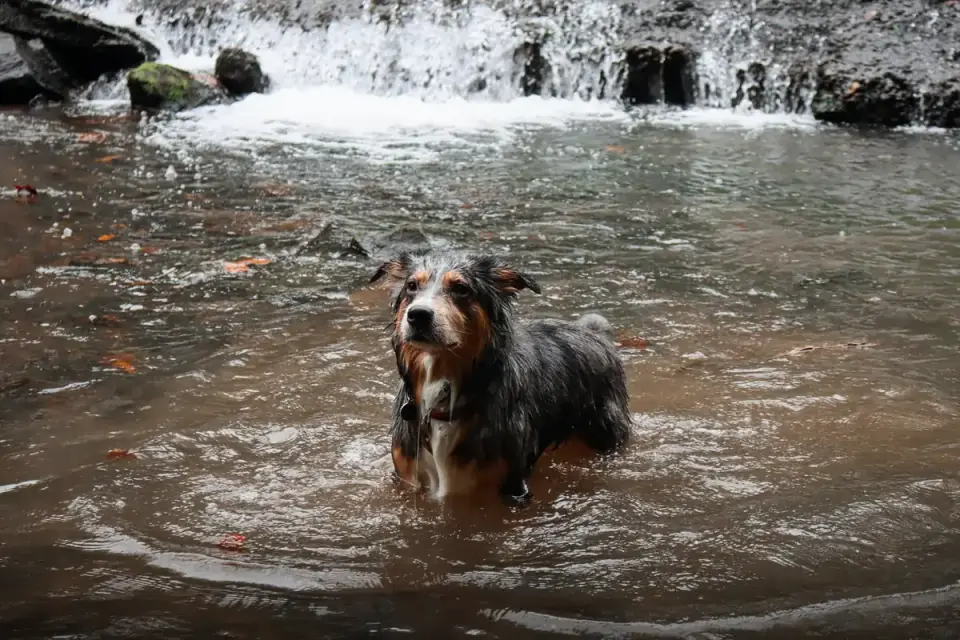
William drives home from a trail outside Roanoke, Virginia, with Madden, his 6-year-old intact male Brittany mix, shedding mud in the back seat after two miles on wet clay. The bottle in his cart says natural dog shampoo with oatmeal and coconut, and he assumes it will be gentler than everything else on the shelf.
That assumption is where trouble starts. In day-to-day practice, a plant-derived surfactant still lifts oil the same way a synthetic one does, and a botanical fragrance can still irritate freshly scratched skin. Vets often see dogs like Madden itch more after a switch to a strongly scented botanical wash, even when the owner chose it specifically to be kind.
The U.S. Food and Drug Administration does not define natural for cosmetics and animal grooming products the way owners expect. A label can highlight one oat extract on the front while the cleaning work is done by the second or third ingredient on the back. Reading that back panel matters more than reading the front.
How shampoo actually cleans a dog’s coat
Hair and skin carry sebum, pollen, and dirt. Surfactant molecules surround that debris, let water rinse it away, and briefly raise skin pH. Dog skin already runs more neutral than human skin, so harsh stripping leaves it dry and tight.
That mechanism explains why ingredient type matters less than strength and contact time. A mild coconut-based cleanser left on for ten minutes in hot water can dry more than a well-formulated synthetic cleanser rinsed after three minutes in lukewarm water. Concentration, dilution, water temperature, and rinsing do much of the work.
The Merck Veterinary Manual notes that routine bathing supports normal skin hygiene, but overbathing or incomplete rinsing can leave residue that dries and flakes. That residue problem crosses categories. Natural, hypoallergenic, and conventional formulas can all leave film if the coat is thick and the rinse is short.
What natural usually means on the bottle
Most natural dog shampoo formulas replace sulfates with coconut- or sugar-derived surfactants such as cocamidopropyl betaine, coco-glucoside, or decyl glucoside. Those can support a softer wash when they are properly balanced with conditioning agents.
They are not automatically non-irritating. The supportive evidence for oatmeal, aloe, and coconut oil is for moisture retention and barrier comfort, not for curing allergy or infection. Where the preventive evidence is thin, I say so: no shampoo, natural or not, repairs a damaged skin barrier by itself.
Watch the fragrance line. Essential oils of tea tree, peppermint, eucalyptus, citrus, and lavender smell clean to us and may help maintain a fresh coat odor, but concentrated oils can sting broken skin and some dogs dislike strong scent. Fragrance blends, whether listed as parfum or as a string of plant names, are a common reason a natural bottle still causes rubbing, licking, or redness.
Preservatives deserve the same clear look. A truly preservative-free liquid with botanicals can grow microbes once opened. A formula with a simple, well-studied preservative system often keeps more safely for the three to four months a bottle lasts in a shower caddy.
Matching the bottle to the skin in front of you
Start with what you see before the bath. A healthy adult coat with light dirt needs only a gentle general cleanser and thorough rinsing. Dry, flaky skin does better with added humectants like glycerin or colloidal oatmeal and a shorter, cooler wash.
Dermatologists who write about human sensitive skin make a point that translates well to dogs, and the American Academy of Dermatology reminds owners to look for fragrance-free options and patch-test new products when sensitivity is a concern. For dogs, that means washing a small area behind the shoulder first when a dog has reacted before, then waiting 48 hours.
Oily, yeasty odor, yellow scale, sores, hair loss, or itch that lasts more than a few days points away from any cosmetic shampoo. Those signs may need a veterinary exam and a medicated formula with a defined contact time, often 10 minutes before rinsing. A soothing natural wash will not substitute in that case.
Rinsing technique often decides the outcome. Wet the coat fully, dilute thick product according to the label, massage to the skin rather than just the topcoat, and rinse until water runs clear and fingers slide without squeak or slip. For a dense Brittany feathering like Madden’s, that second rinse takes an extra two minutes and prevents most post-bath scratching.
A calmer way to shop next time
Turn the bottle over in the aisle. Look for a named surfactant blend in the first five ingredients, a short fragrance footprint, and clear dilution and contact instructions. Skip broad promises about detox, pH balance miracles, or allergy relief.
William’s better plan is simple: a lightly fragranced or fragrance-free cleanser that lists its surfactants plainly, lukewarm water, a full rinse, and a recheck in a week. If odor or itch persists, his next step is his own veterinarian, not a stronger botanical scent. For dogs with recurring flaking, our guide to Best Dog Shampoo for Sensitive Skin: What Actually Matters on the Label breaks down label red flags, and Essential Dog Grooming Tools for Beginners covers brushes and rinsing tools that reduce residue.
I would change this advice if controlled trials in dogs showed a defined natural ingredient blend consistently reduced itch or bacterial load better than comparable gentle bases. Until then, the current evidence does not support ranking by natural alone. Match chemistry to skin type, rinse well, and let comfort decide.
Sources
- Cosmetics — U.S. Food and Drug Administration
- Veterinary Manual — Merck Veterinary Manual
- Public Education in Dermatology — American Academy of Dermatology